








A Comprehensive Guide to Continuous Integration/Continuous Deployment (CI/CD)
Continuous Integration/Continuous Deployment (CI/CD) is an automated software development practice where code changes are frequently integrated into a shared repository, automatically tested, and reliably deployed to production, enabling rapid and efficient software delivery.
CI/CD is a way to automate the process of updating software. Code changes are put into one place, tested automatically, and released. In today's world, being able to update software fast and reliably is a big advantage. CI/CD is what makes this possible. It's a big change from doing updates rarely. It uses an automated system for software releases.
CI/CD allows developers to integrate changes often, find mistakes quicker, and get features out faster. This not only helps developers work better and improves the product, but it's also important for modern ways of developing applications like Agile and DevOps.
How CI/CD Works?
CI/CD is a way to automate software development. It means code changes are put into one place often, tested automatically, and then sent to where users can access them. This helps get software out fast and reliably. In today's world, getting software out fast gives you a big edge. CI/CD is the method that makes this happen. It’s a big change from old ways where releases didn't happen often. Instead, it's an automatic system for sending out software.
CI/CD lets teams add code changes more often, find problems early, and get features from code to users faster. This not only makes developers more productive and improves quality but also is a key part of how new apps are made using Agile and DevOps.
The CI/CD system is a series of steps that code changes go through to get from a developer to the user. It starts with CI. When a developer puts code in a shared place, like Git, this starts the CI process. A server, like Jenkins, GitLab CI/CD, or GitHub Actions, gets the code and starts a build. This means turning the code into something that can be run, like programs or containers. After a good build, the system starts a set of tests. This includes tests to check small parts of the code and tests to check if different parts of the app work well together. The point of CI is to give feedback fast. If any step fails, the team knows right away and can fix it.
If CI goes well, the process goes to CD, which sends out the code automatically. Continuous Delivery means automatically sending the build to test areas that are like the real user environment. In these areas, more tests are run, like security checks, speed tests, and user tests. Continuous Delivery makes sure the code is always ready to go live, but the final go-ahead is usually a manual decision. Continuous Deployment goes even further and automatically releases every change that passes all tests directly to the live environment, without anyone doing it manually. This is the most automation you can get, which allows many releases to users each day.
The entire pipeline is defined as code, often in a configuration file like a Jenkinsfile or .gitlab-ci.yml, which is version-controlled alongside the application code. This "Pipeline as Code" approach ensures that the build, test, and deployment process is repeatable, transparent, and consistent across the entire team. The pipeline may include multiple stages for deploying to different environments (e.g., dev, staging, production) and can incorporate manual approval gates before progressing to sensitive environments like production, especially in a Continuous Delivery model.
Key Characteristics of CI/CD
CI/CD is all about making software development smoother. It’s a way to automatically integrate code changes into a shared space, test them, and then put them into production. This helps get software out there quickly and without a lot of fuss. Being able to release software fast and reliably is a huge plus these days. CI/CD is the method that makes that happen. It switches out the old way of doing things, where releases were few and far between, with an automatic system for getting software out.
CI/CD lets teams put code changes together more often, find errors sooner, and get features from code to live much faster. This not only makes developers more productive and improves the product but also is a key part of how modern apps are built, like with Agile and DevOps methods.
The CI/CD system is a series of automatic steps that code has to go through to get from a developer's computer to the real world. It starts with CI. When a developer puts code into a shared spot, like Git, it kicks off the CI process. A server, like Jenkins, GitLab CI/CD, or GitHub Actions, grabs the code and starts a build. This means turning the code into something that can be run, like programs or images. If the build works, the system then runs a bunch of tests. These include tests to check small parts of the code and tests to make sure everything works together right. The point of CI is to give quick feedback, so if something goes wrong, the team knows right away and can fix it.
A good CI/CD system has a few things that make it different from doing things manually. The main one is automation. CI/CD tries to automate every step of the software release process—building, testing, packaging, and releasing. This gets rid of mistakes, speeds things up, and lets developers focus on coding instead of boring tasks. The system itself is written as code, which makes sure things are done the same way every time.
Another important thing is constant feedback and quick changes. The CI part of the system is set up to give developers fast updates on their code. If a change causes a problem, the developer finds out in minutes. This makes it easier to find and fix the problem. This helps create a culture of always improving and writing quality code.
CI/CD also is known for being reliable. Because every change goes through the same system, the release process is predictable. The settings for building, testing, and releasing are coded, so you don't have the issue of it worked on my computer. This makes sure that the software being released is tested and of good quality. Lastly, everything is visible and easy to work on together. The status of every build, test, and release is shown to the whole team on dashboards. This makes it easier for developers, operations, and quality assurance teams to work together since everyone can see what's going on.
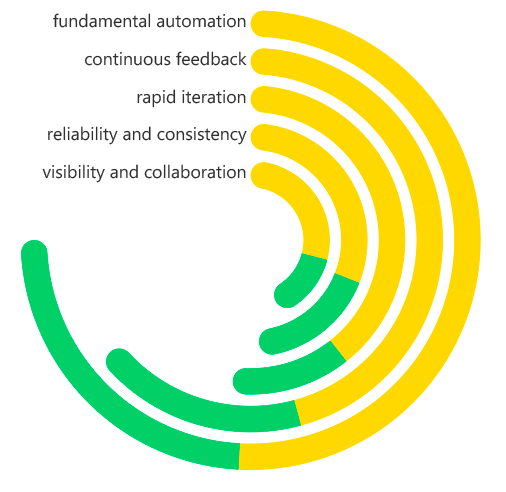
CI/CD Key Characteristics
What Problems Does CI/CD Solve?
CI/CD fixes some big, old problems in software development. One of the biggest is messy integrations. In the past, developers worked alone and then had a hard time putting their work together. CI/CD fixes this by making integrations small and frequent. This makes it easier to deal with merge conflicts and gets rid of the huge integration problems of the past.
It also fixes slow, unreliable releases. Doing things by hand takes time, causes mistakes, and often means releases are months apart. This slows down getting value to customers and makes it hard to react to changes in the market. CI/CD automates the whole release process, making deployments fast, reliable, and normal. This lets businesses constantly give value to customers.
CI/CD also finds bugs early. In the old days, bugs were often found late in the process, right before release. Fixing them then was expensive and stressful. By testing all the time from the beginning, CI/CD finds bugs right away when they are cheap and easy to fix. This makes the software much better and reduces problems.
Benefits of CI/CD
The adoption of a robust CI/CD pipeline yields transformative benefits across engineering, business, and cultural dimensions. The most prominent advantage is accelerated time-to-market. By automating the delivery process, CI/CD enables organizations to release new features, bug fixes, and updates to users with unprecedented speed and frequency. This agility allows businesses to experiment, gather user feedback quickly, and adapt to market demands, creating a significant competitive edge.
From a quality and risk perspective, CI/CD leads to higher software quality and reduced risk. The constant cycle of building, integrating, and testing results in a more stable and reliable codebase. Bugs are detected and fixed sooner, and because releases are smaller and more incremental, each deployment carries less risk. If a problematic change does slip through, it can be identified and rolled back quickly, minimizing its impact. This builds greater confidence in the software and the release process.
Operationally, CI/CD introduces improved efficiency and productivity. It automates the tedious, manual tasks associated with software integration and deployment, freeing development teams to focus on creative and high-value work. This not only boosts morale but also optimizes resource allocation. Finally, CI/CD fosters a culture of collaboration and shared responsibility. The transparent nature of the pipeline breaks down silos between development, QA, and operations, creating a shared responsibility for the smooth and rapid delivery of high-quality software.
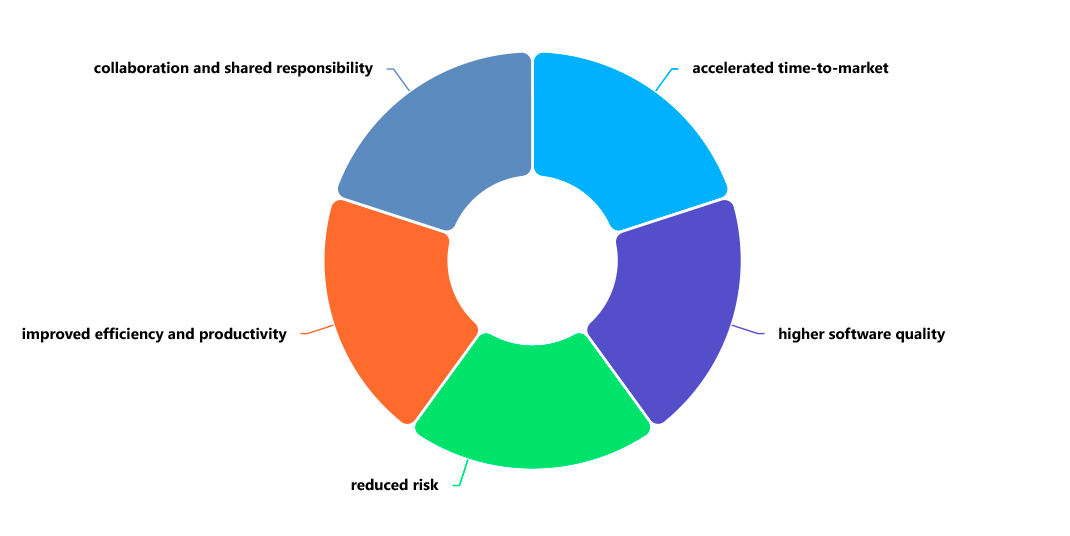
CI/CD Benefits
How Is CI/CD Different from DevOps?
CI/CD and DevOps are related and often talked about together, but they aren't the same thing. They focus on different parts of how software is delivered. CI/CD is about the technical stuff—it's how you automate software delivery. It's like the assembly line in a factory, making things quick and smooth.
DevOps is bigger than that. It's about changing how development and operations teams work together. The goal is to create a culture of teamwork and improvement throughout the whole process, from start to finish. DevOps is the reason behind doing things a certain way, creating the environment where CI/CD can do its best work.
CI/CD helps make DevOps work. To get the speed and teamwork that DevOps wants, you need CI/CD. But you can have CI/CD without really buying into the DevOps way of thinking. For example, if only the operations team manages the CI/CD process and doesn't work with the developers, that's not really DevOps. So, CI/CD is a key part of DevOps, but DevOps is the bigger picture—the way of thinking that guides everything.
Why Is CI/CD Vital to Application Security?
CI/CD is super important for keeping applications safe. It lets you put security checks in early and often. Before, security testing was often at the end, which caused delays and made it hard to fix problems. CI/CD puts security right into the process, so it's always being checked.
If you put security tools into the CI/CD system, you can check every change to the code for problems as it's being written. SAST can check the code itself, SCA can check for risky open-source parts, and DAST can test the running application. This way, security is checked all the time, developers get fast feedback, and security becomes a normal part of their work.
A solid CI/CD setup is also key for taking care of security problems and getting patches out fast. If a big problem is found in an application, CI/CD lets you quickly create, test, and release a fix. Being able to patch things in hours instead of weeks makes a huge difference in how safe you are. So, CI/CD isn't just about making things faster; it's about reacting to security issues quickly.
Real-World Examples of How CI/CD Is Used
CI/CD pipelines are used in all sorts of useful ways in different industries.
Consider a digital bank using a microservices architecture for its FinTech app. They have many separate microservices for things like user logins, payments, and transaction history. Each one has its own CI/CD pipeline. When a developer changes the payment service, their work sets off the pipeline. The code is put together, tested, and put into a Docker container. Then, the container is put on a staging server where it's tested with other services and checked for security problems. If it passes all the tests, the updated container is automatically put into the real Kubernetes setup. This lets the team update an important service many times a day without much worry.
Or, think about a retail company that updates its mobile app a lot. Their CI/CD pipeline starts every time someone merges code into the main branch. It automatically makes the Android APK and iOS IPA files, runs them on different device emulators to test the user interface, and sends the versions to a beta testing group using something like Firebase App Distribution. After the beta testers give good feedback and all the automatic tests pass, the pipeline sends the builds to the Apple App Store and Google Play Store to be reviewed. This makes a process much simpler than if it were done by hand, which would take up a lot of time.
CI/CD is also very helpful for managing infrastructure and keeping things compliant. A healthcare company manages its AWS setup with Infrastructure as Code (IaC) using Terraform. Their CI/CD pipeline has a step that checks the Terraform code for mistakes and security issues. If it passes, the pipeline puts the changes on a staging server and checks if they meet compliance rules. Only after everything passes do they need someone to say it's okay to put the changes into the real environment. This makes sure that all the infrastructure is put together in a way that's safe, consistent, and follows HIPAA rules.
How ImmuniWeb Helps with CI/CD
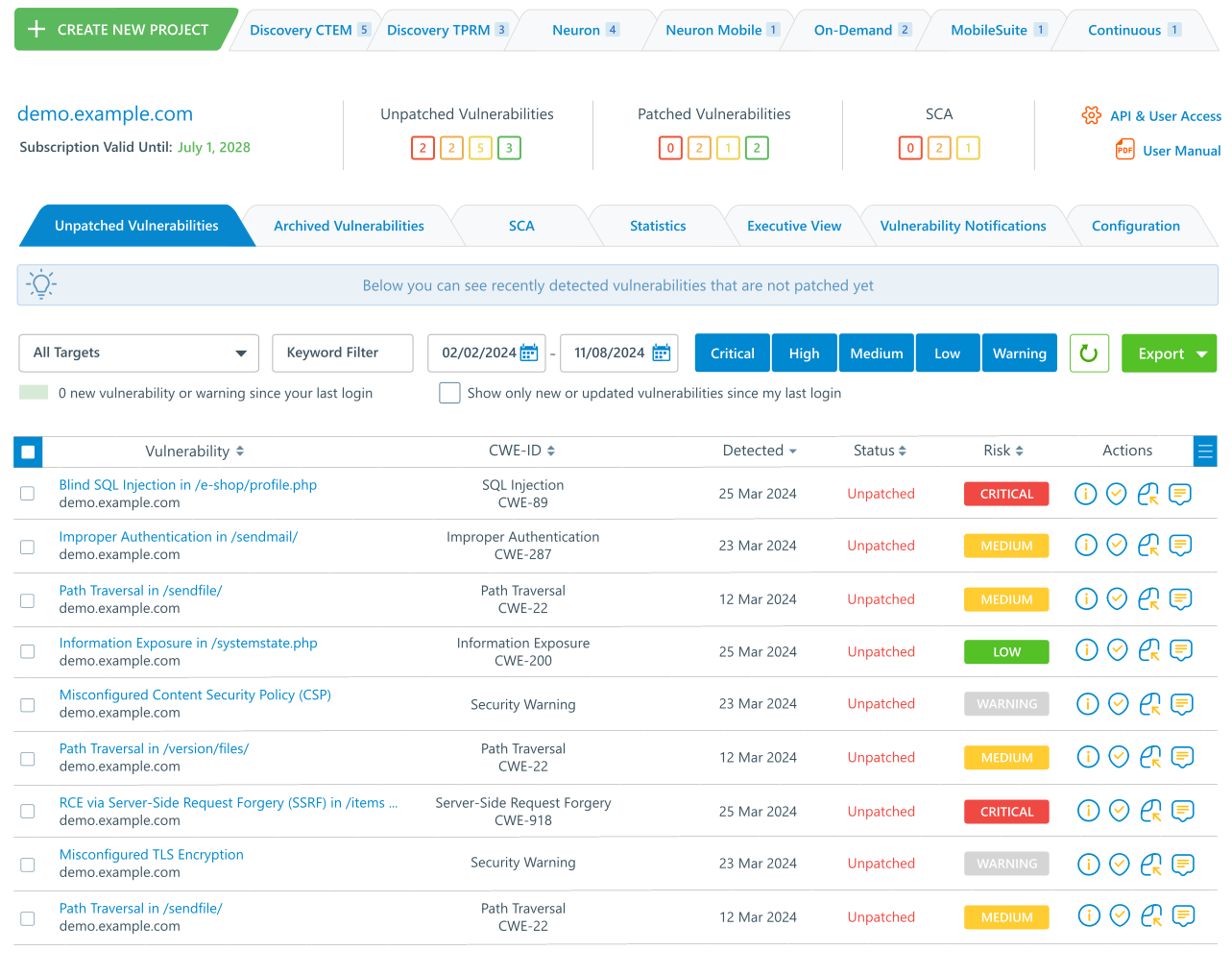
ImmuniWeb provides a robust, AI-powered application security platform that is designed for seamless integration into modern CI/CD pipelines. It enhances the pipeline by injecting critical, automated security checks at the most relevant stages, enabling a true DevSecOps workflow. By offering its capabilities through APIs and command-line interfaces, ImmuniWeb allows security testing to be codified and triggered automatically as part of the build and deployment process, ensuring that security keeps pace with development velocity.
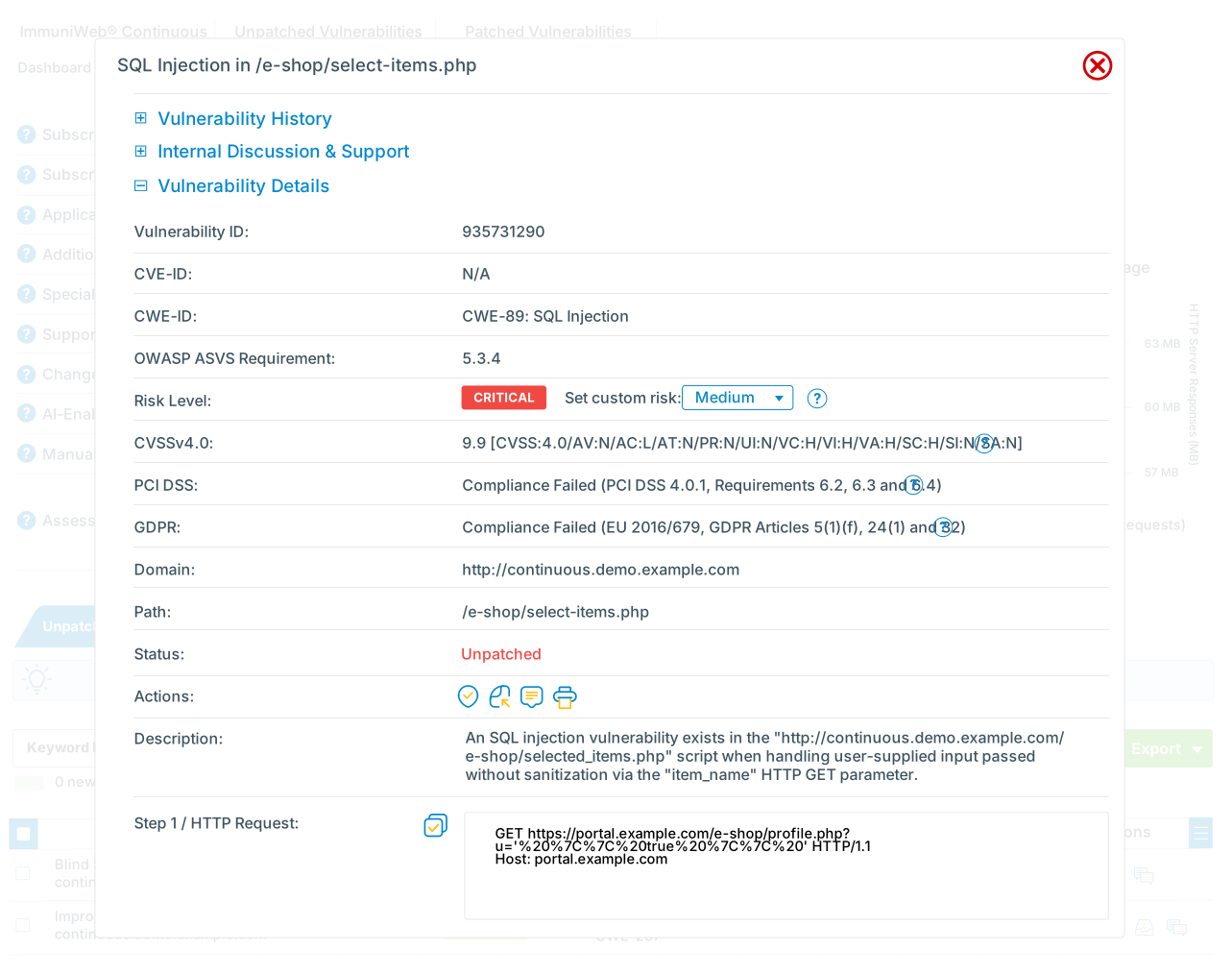
During the Continuous Integration (CI) phase, ImmuniWeb’s SAST and SCA capabilities can be integrated to scan the source code and its dependencies every time a developer commits a change. This provides immediate feedback directly in the pull request, allowing developers to fix security flaws before the code is even merged. In the Continuous Deployment (CD) phase, ImmuniWeb’s DAST and IAST solutions can be triggered against the staging environment. The DAST tool probes the running application for vulnerabilities, while IAST provides real-time analysis from within the app during automated tests, offering highly accurate results with minimal false positives.
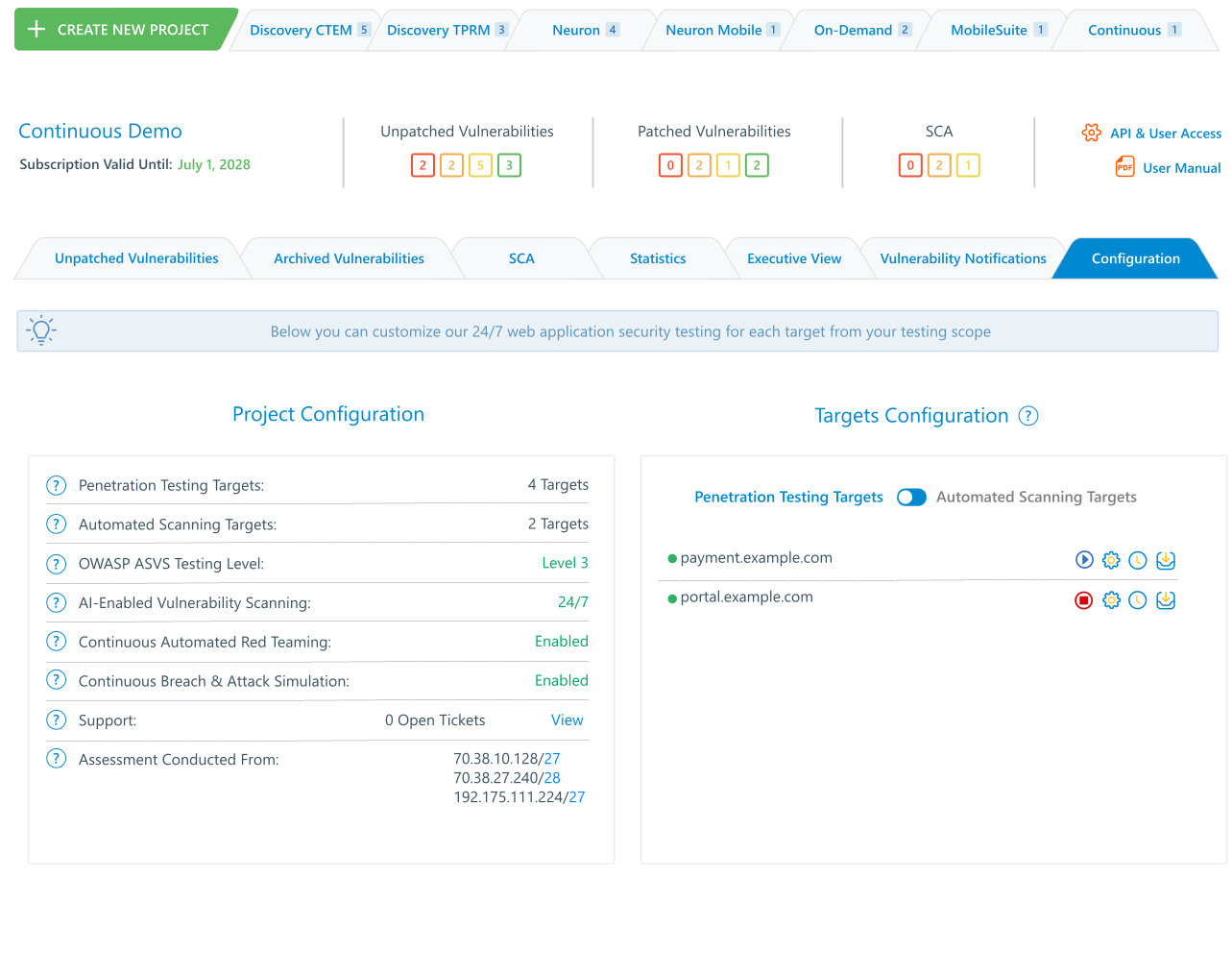
A key strength of ImmuniWeb in a CI/CD context is its focus on accuracy and actionable results. By leveraging AI to correlate findings and reduce false positives, it prevents "alert fatigue" and ensures that pipeline failures represent genuine, high-priority security risks. Furthermore, ImmuniWeb’s platform supports continuous monitoring of applications that have been deployed to production, completing the security lifecycle. This unified approach—from CI/CD integration to production monitoring—ensures that security is a continuous and automated responsibility, helping organizations build and maintain secure software at the speed of business.
Disclaimer
The above-mentioned text does not constitute legal or investment advice and is provided “as is” without any warranty of any kind. We recommend talking to ImmuniWeb experts to get a better understanding of the subject matter.

















 API Penetration
 API Security
 Application Penetration
 Application Security
 Attack Surface
 Automated Penetration
 Cloud Penetration
 Cloud Security
 Continuous Automated
 Continuous Breach and
 Continuous Penetration
 Continuous Threat
 Cyber Threat
 Data Security Posture
 Dark Web
 Mobile Penetration
 Mobile Security
 Network Security
 Penetration
 Phishing Websites
 Third-Party Risk
 Threat-Led
 Web Penetration
 Web Security