

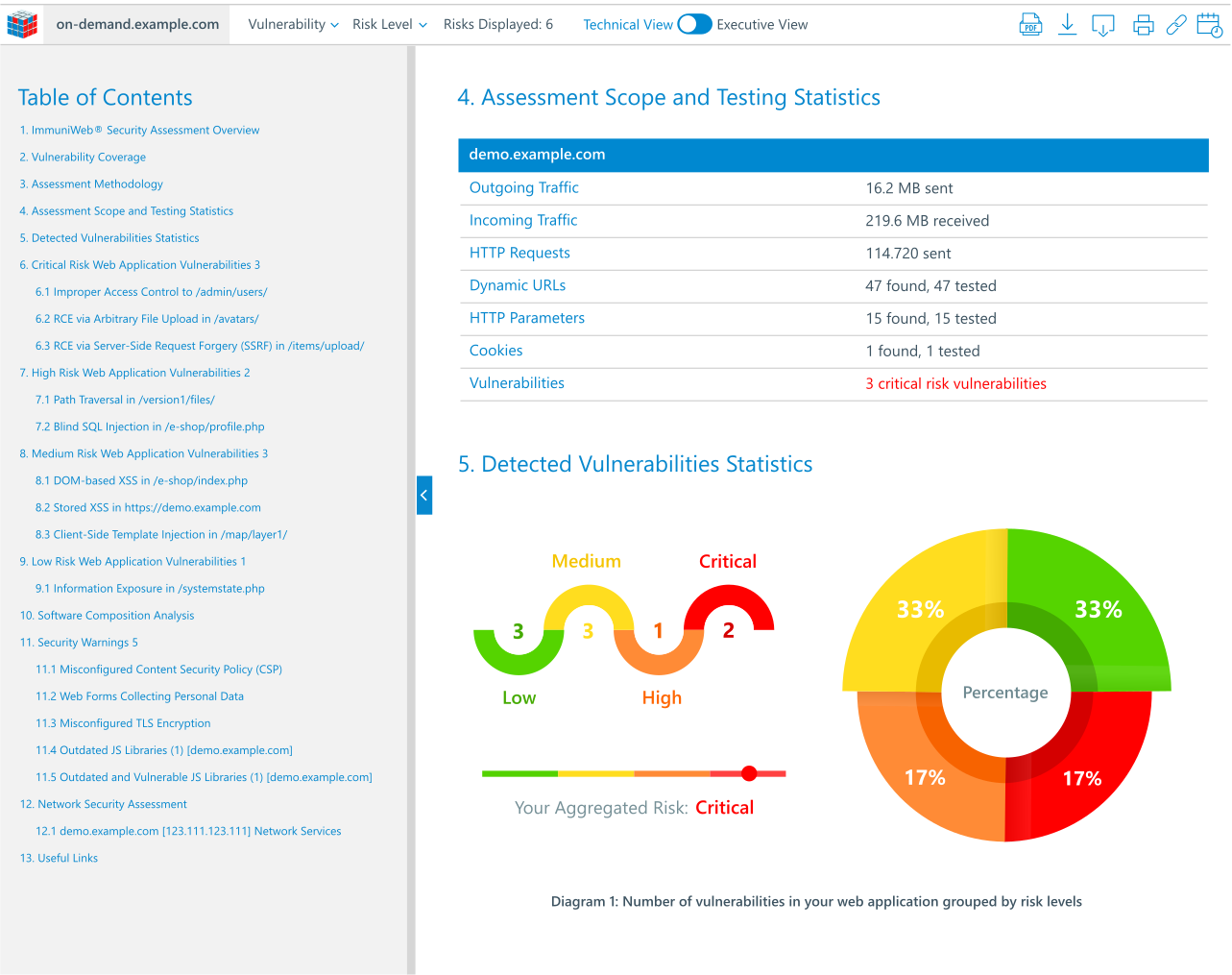
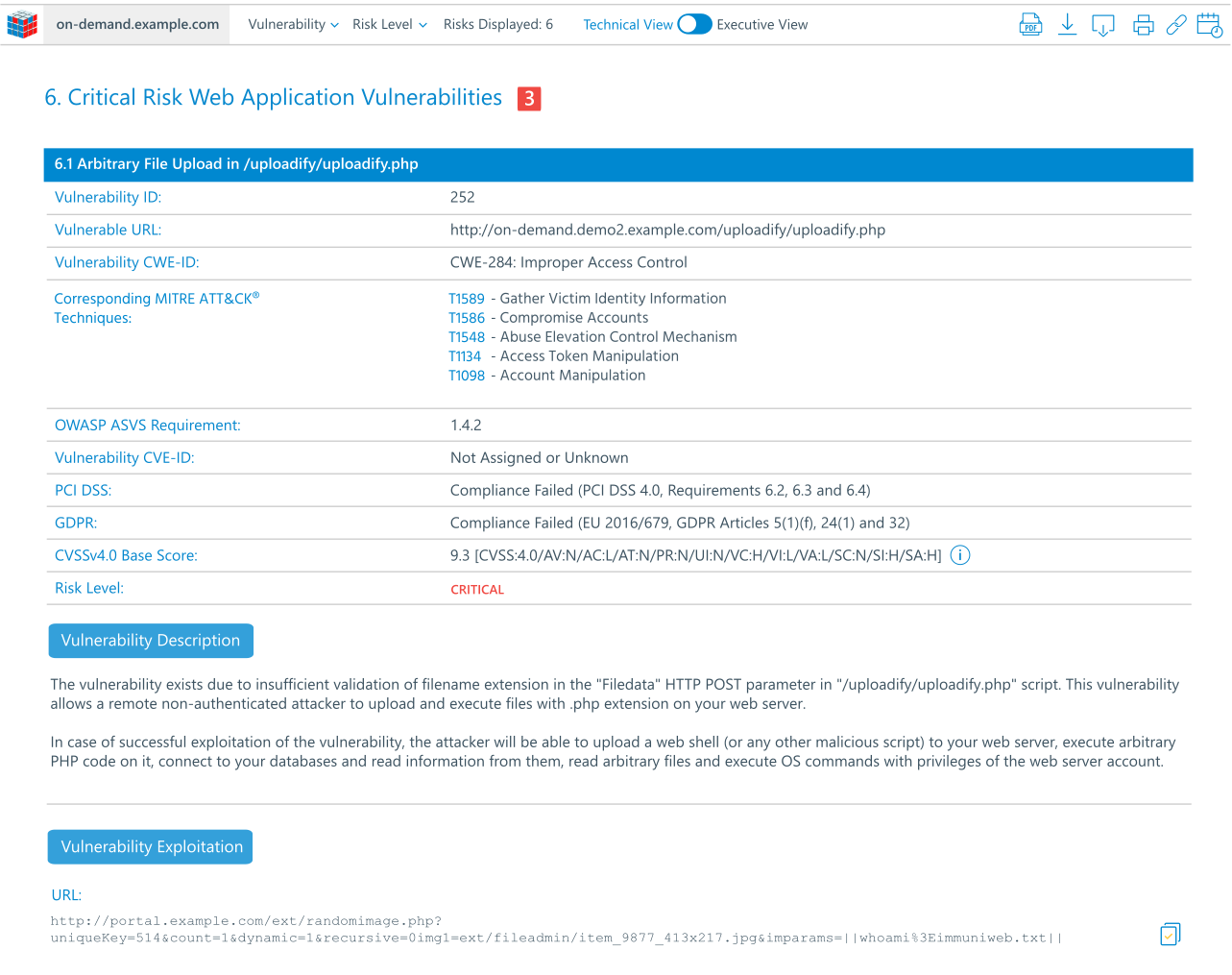
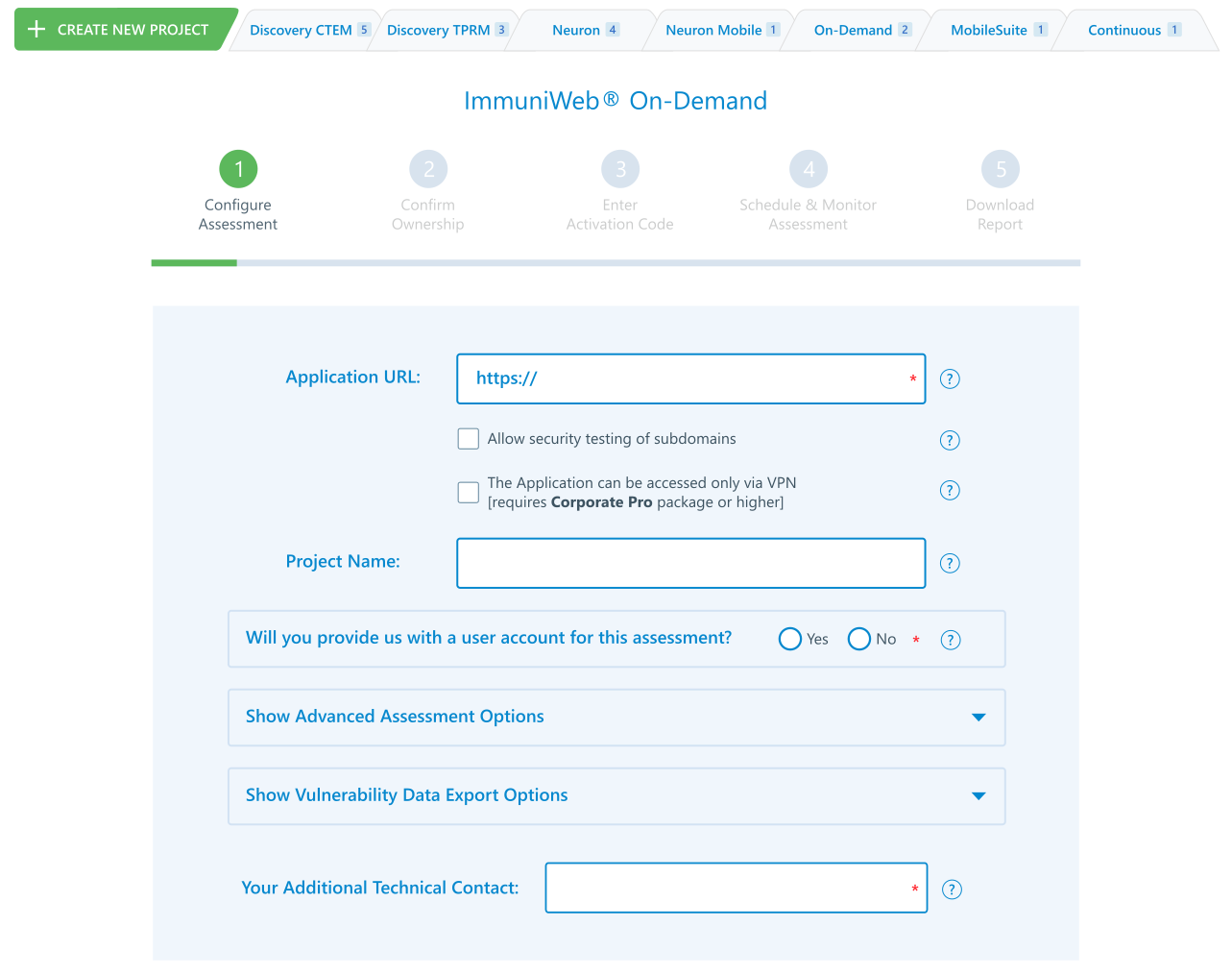






With cyber threats getting more complicated, old-school, one-time security tests just don't cut it for many companies anymore. Software changes fast, updates happen all the time, and there are more ways than ever for bad guys to get in. That's why you need a more flexible, always-on way to check your security. That's where Penetration Testing-as-a-Service (PTaaS) comes in as a game-changer.
PTaaS mixes what human experts know about security with the speed of automation and the convenience of a service. It gives businesses a better, constant way to spot and fix weaknesses, keeping their defenses strong in today's always-connected world.


What Is Penetration Testing-as-a-Service (PTaaS)?

PTaaS is how cybersecurity testing is done now. It takes the careful work of regular penetration testing and makes it faster with automation, all through an online platform. Unlike old-style penetration tests that don't happen often and only give you a snapshot in time, PTaaS gives you security checks whenever you need them, right away. It turns penetration testing into a regular part of how you build and run your systems, fitting in with modern ways of doing things like DevOps (which becomes DevSecOps when security is added).
Basically, PTaaS gives companies constant access to skilled ethical hackers and security pros, all run through a central online spot. This platform is where you start tests, see how they're going, talk to the testers, and get vulnerability info and advice in real-time. The service is flexible and can grow with you, letting you test different things often, like websites, apps, networks, and cloud setups. This makes sure your security is always strong.
In the end, PTaaS tries to close the gap between old security testing and what today's fast-moving businesses need. Instead of one-off tests with a limited scope, PTaaS lets companies build security checks right into their development processes. They get fast feedback on code changes and can keep their defenses updated against new threats. This not only makes security better but also makes things more efficient and less costly for managing vulnerabilities over time.
Key Aspects About Penetration Testing-as-a-Service (PTaaS)
Some things make PTaaS different from regular penetration testing, making it a better pick for today's threat environment. First off, mixing automation with human smarts is key. PTaaS platforms usually use automated scanning to quickly find common problems, which lets human testers focus on trickier stuff, like flaws in how a business works, vulnerabilities that connect to each other, and brand-new exploits that automated tools often miss. This mix makes sure everything is checked while also making the testing process fast.
Second, constant testing and seeing what's happening in real-time are central to PTaaS. Unlike old-fashioned pentests that are just snapshots in time, PTaaS lets you check security all the time, often right as part of your build process. This means problems are found and reported as they show up, giving you a live view of your security. With dashboards and reports that update all the time, security teams can watch how things are going, track their fixes, and keep an eye on their risks, cutting down on the time they're exposed.
Finally, fitting in with how development teams work and giving helpful fixing advice are very important. PTaaS platforms are made to link up with popular developer tools, bug trackers (like Jira), and chat programs. This makes sure security info gets to developers in a way they can use right away, with steps to recreate the problem, how bad it is, and expert advice on how to fix it. This close linking helps security and development teams work together better, pushing security earlier in the process so problems are taken care of quickly.
Why Is Penetration Testing-as-a-Service (PTaaS) Important?
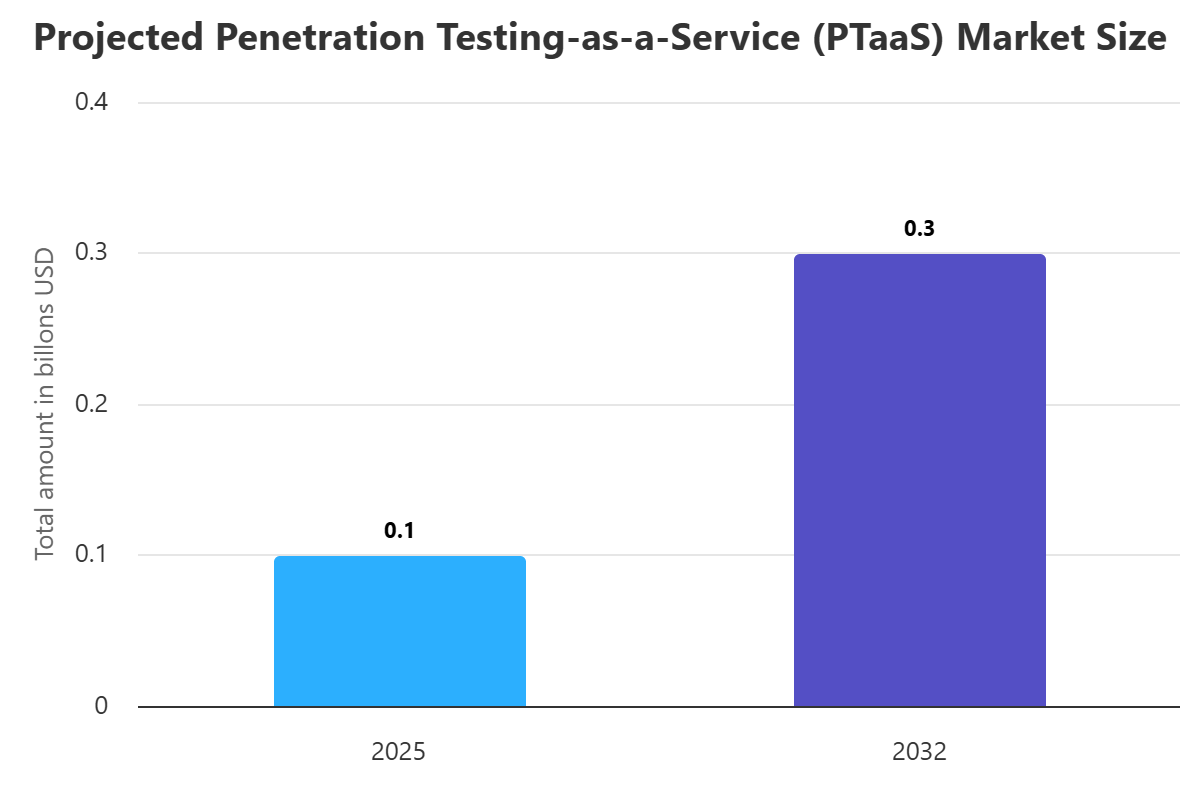
PTaaS is important because cybersecurity is changing. With constant updates and changes to apps and systems, old-style yearly or twice-a-year penetration tests aren't enough. PTaaS fixes this by giving you constant security checks, making sure any new problems from fast development are found and fixed fast, before they can be used by attackers. This constant checking is key to staying secure in fast-moving environments.
Also, PTaaS is great for companies that want to get the most out of their security spending and get access to skilled experts. Hiring and keeping a team of top-notch penetration testers can be super expensive and hard because there aren't enough of these experts to go around. PTaaS gives you access to a bunch of ethical hackers with different skills when you need them, so you can grow your testing without the cost of full-time staff. This means you can get access to the newest skills and ways of doing things that you might not be able to get otherwise.
Besides the tech stuff, PTaaS is more and more important for following the rules and building trust. Many rules and data protection laws (like GDPR, HIPAA, PCI DSS, and ISO 27001) say you need regular security checks. PTaaS helps you keep up with these rules by giving you constant checks and reports that are ready for audits, helping you avoid fines and legal trouble. Plus, showing that you're serious about security with PTaaS makes your company look good and builds trust with customers, partners, and investors.
How Does Penetration Testing-as-a-Service (PTaaS) Work?
PTaaS usually works through an easy, platform-based process that's different from old ways of doing things. It starts with getting set up and figuring out what needs to be tested on the PTaaS platform. Clients say what they want to test (like websites, apps, networks, cloud setups), what kind of testing they want (like black box or grey box), and what their security goals are. The platform often helps with this, helping clients pick the right testing style and get the right people from the provider's team of ethical hackers.
Once that's set, the PTaaS platform starts continuous testing, mixing automated and manual work. Automated scanners might start by looking for common problems quickly. Then, or at the same time, human penetration testers use their skills to dig into the problems found, try to exploit them, and find complicated flaws in how the business works, ways to get more access than they should, and attack plans that take multiple steps, which automated tools can't find. Testers often give findings as they find them, instead of waiting for a final report.
During the testing, the PTaaS platform is the place for communication, reporting, and tracking fixes. Clients can talk to testers directly, ask questions, and get updates on findings right away through a dashboard. Problems are reported with tech details, steps to recreate them, how bad they are, and advice on how to fix them. The platform often connects to bug tracking systems, so security problems can be sent to development teams easily. After the fixes, the platform can retest to make sure they worked, finishing a cycle of security improvement.
Penetration Testing-as-a-Service (PTaaS) Types
While PTaaS changes how penetration testing is done, the types of tests you can get through PTaaS are mostly the same as before, but with the added bonuses of being ongoing and managed through a platform.
One common type is Web Application PTaaS, which focuses on finding problems in websites, their apps, and the systems behind them. This includes testing for things like SQL injection, cross-site scripting (XSS), broken login systems, insecure direct object references (IDOR), and flaws in how the business works. With PTaaS, these tests can be started whenever you want, added to your build process for every new version, and watched all the time, giving you constant security for your websites.
Another important type is Network PTaaS, which checks the security of your company's internal and external network. This means testing firewalls, routers, switches, servers, and other network devices for bad settings, unpatched problems, weak security rules, and unauthorized access points. PTaaS lets you schedule external and internal network scans and human-led penetration tests, with results and fix progress tracked on the platform, letting you manage your network security.
Besides these, many PTaaS providers offer special services like Mobile Application PTaaS for iOS and Android apps, API PTaaS for checking the security of application programming interfaces, and Cloud PTaaS for finding problems in cloud systems (AWS, Azure, GCP). Some PTaaS models also add Red Teaming or connect to bug bounty programs, giving you a wider range of security checks, all managed through the PTaaS platform for easy operations and constant info.
Components of Penetration Testing-as-a-Service (PTaaS)
PTaaS platforms are complex systems with many connected parts that make them continuous and integrated.
The main part is the PTaaS platform itself, which is online. This is where clients manage their penetration testing. It has features like test scheduling, deciding what to test, dashboards for watching vulnerabilities, ways to talk to testers, reporting, and connections to other security and development tools. This platform is what brings everything together, giving the client visibility and control.
Another key part is the team of skilled ethical hackers and security experts. These are the people who do the manual penetration testing, exploit vulnerabilities, find complex business logic flaws, and check automated findings. PTaaS providers often have a network of certified and experienced testers who can be assigned to tests based on their skills and the client's needs, making sure you get high-quality, human-led security checks.
Finally, automated scanning tools and vulnerability management features are important technical parts. PTaaS platforms often include or connect to vulnerability scanners (SAST, DAST) to quickly check for known weaknesses. They also give you vulnerability management features in the platform, like detailed reporting, severity ratings, fixing advice, and tracking of fix progress. This mix of automated finding and integrated management makes it easy to manage vulnerabilities, from finding them to making sure they're fixed.
Benefits of Penetration Testing-as-a-Service (PTaaS)
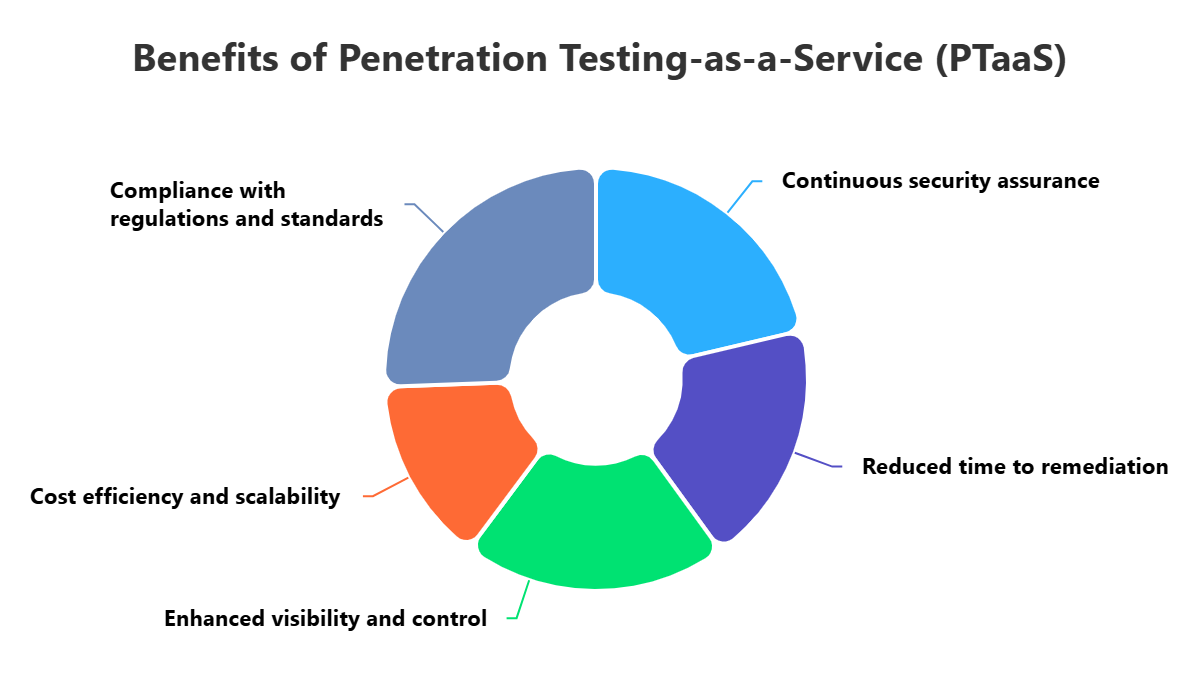
Switching to Penetration Testing-as-a-Service has lots of good points that fix the problems with regular penetration testing. A big plus is constant security and faster fixing. Instead of one-time tests, PTaaS lets you find and check vulnerabilities all the time, adding security to your development. This means you find and fix problems much sooner, often before they're released, cutting down on the time you're exposed and the cost of fixing flaws, speeding up the DevSecOps process.
Also, PTaaS gives you better visibility, control, and access to experts. Through a central platform, you get real-time info on your security, track fix progress, and talk to security experts directly. This transparency and teamwork let security leaders make good choices and use their resources well. Plus, PTaaS gives you access to a bunch of skilled ethical hackers when you need them, bringing a wide range of knowledge and problem-solving skills that would be hard to have in-house, making sure you get thorough testing.
Lastly, PTaaS is cheaper and scales easily. By switching to a service, you avoid the high costs of building and keeping an internal penetration testing team, including salaries, tools, and training. PTaaS lets you grow or shrink your testing as needed, based on your projects and budget, making security accessible and flexible. This leads to more predictable security spending and a better return on your investment in cybersecurity.
Challenges of Penetration Testing-as-a-Service (PTaaS)
While PTaaS has many advantages, there are some things to watch out for. Picking the right vendor and making sure they're really experts is one thing. With PTaaS getting popular, many providers offer different levels of service. You need to tell apart the ones that just offer automated scanning with a service label from the ones that actually have skilled human penetration testers. You need to check providers carefully to make sure you're getting certified ethical hackers who can find complex vulnerabilities.
Another thing is making the PTaaS platform fit with your existing security and development processes. While PTaaS promises to fit in, it can be tricky, especially if you have older systems or custom setups. Making sure vulnerability info flows into bug trackers, CI/CD pipelines, and security info systems (SIEM) takes planning and custom setups, which can add time and work.
Finally, managing what you're testing and what you expect from continuous testing can be tough. While continuous testing is great, you need to say what continuous means for you in terms of how often you test, how deep you go, and what you cover. Too much testing can use up resources and cause alert fatigue, while not enough testing can leave gaps. Finding the right balance and talking about test findings and what they mean across different teams (development, operations, management) takes good internal processes and knowing your risk tolerance.
Best Practices for Penetration Testing-as-a-Service (PTaaS)
To get the most out of Penetration Testing-as-a-Service, do these things. First, have clear goals and know what you want to test for each engagement on the PTaaS platform. This means saying what you want to test, what kind of vulnerabilities you want to focus on (like OWASP Top 10, business logic flaws), and how deep you want to go. Clear goals make sure the PTaaS provider focuses on your most important security priorities and gives you results you can use.
Second, make sure to test continuously and communicate in real-time. Add PTaaS to your CI/CD pipelines so you can test often and developers get immediate feedback on new vulnerabilities. Also, use the PTaaS platform's communication features to talk to the penetration testers in real-time. This helps you work together, clear up findings faster, and fix things more efficiently.
Finally, focus on fixing problems and improving all the time. The point of PTaaS isn't just to find vulnerabilities but to fix them well. Make sure the PTaaS reports give you clear, detailed, and prioritized fixing advice. Have a process for assigning, tracking, and checking fixes. Review the results of your PTaaS engagements regularly to find patterns or weaknesses, and use these insights to improve your security policies, development, and overall security, treating PTaaS as part of your security lifecycle.
How ImmuniWeb Can Help with Penetration Testing-as-a-Service (PTaaS)?
ImmuniWeb is a leading provider that exemplifies the power of a comprehensive PTaaS offering, designed to address the complex security needs of modern organizations. Their approach integrates award-winning AI technology with a global network of human cybersecurity experts, delivering a hybrid PTaaS model that offers both unparalleled speed and profound depth. The AI-powered engine performs rapid, continuous vulnerability scanning across various assets, identifying common weaknesses and significantly reducing the time to discovery for known threats.
What truly sets ImmuniWeb apart is the seamless integration of human-led penetration testing validation and exploitation. Following the AI-driven assessment, ImmuniWeb's team of certified ethical hackers meticulously reviews the findings, validates discovered vulnerabilities, and conducts sophisticated manual exploitation attempts. This human intelligence is crucial for uncovering complex business logic flaws, chained vulnerabilities, and zero-day exploits that automated tools simply cannot detect, ensuring a comprehensive and realistic assessment of an organization's true security posture.
Moreover, ImmuniWeb's PTaaS platform provides real-time visibility, actionable reporting, and seamless DevSecOps integration. Clients gain continuous access to an intuitive dashboard to monitor testing progress, view vulnerabilities as they are discovered, and interact directly with the testing team. The detailed reports include clear, prioritized remediation guidance with actionable steps, allowing development teams to quickly address issues. This combination of intelligent automation, expert human validation, and integrated workflows makes ImmuniWeb a powerful partner for organizations seeking a robust, continuous, and highly effective PTaaS solution.
Disclaimer
The above-mentioned text does not constitute legal or investment advice and is provided “as is” without any warranty of any kind. We recommend talking to ImmuniWeb experts to get a better understanding of the subject matter.


















 API Penetration
 API Security
 Application Penetration
 Application Security
 Attack Surface
 Automated Penetration
 Cloud Penetration
 Cloud Security
 Continuous Automated
 Continuous Breach and
 Continuous Penetration
 Continuous Threat
 Cyber Threat
 Data Security Posture
 Dark Web
 Mobile Penetration
 Mobile Security
 Network Security
 Penetration
 Phishing Websites
 Third-Party Risk
 Threat-Led
 Web Penetration
 Web Security